Therapeutic Casting in Hand Rehabilitation
Reviewed by Robyn Midgley, Hand & Upper Extremity Therapist
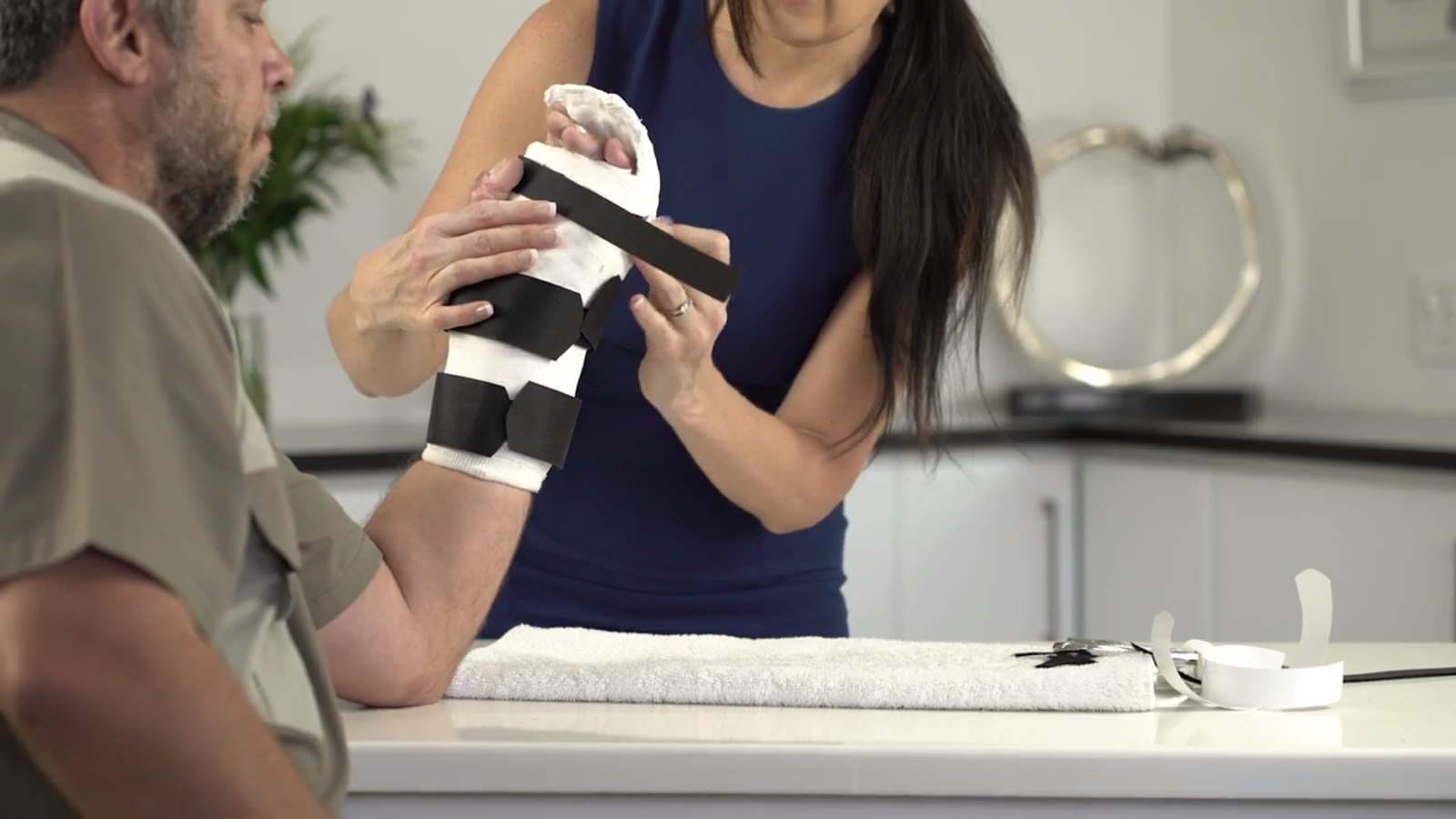
Casting isn't only for broken bones. Used as a treatment, a well-designed cast can restore motion, calm oedema and even retrain the brain's movement patterns in a stiff hand.
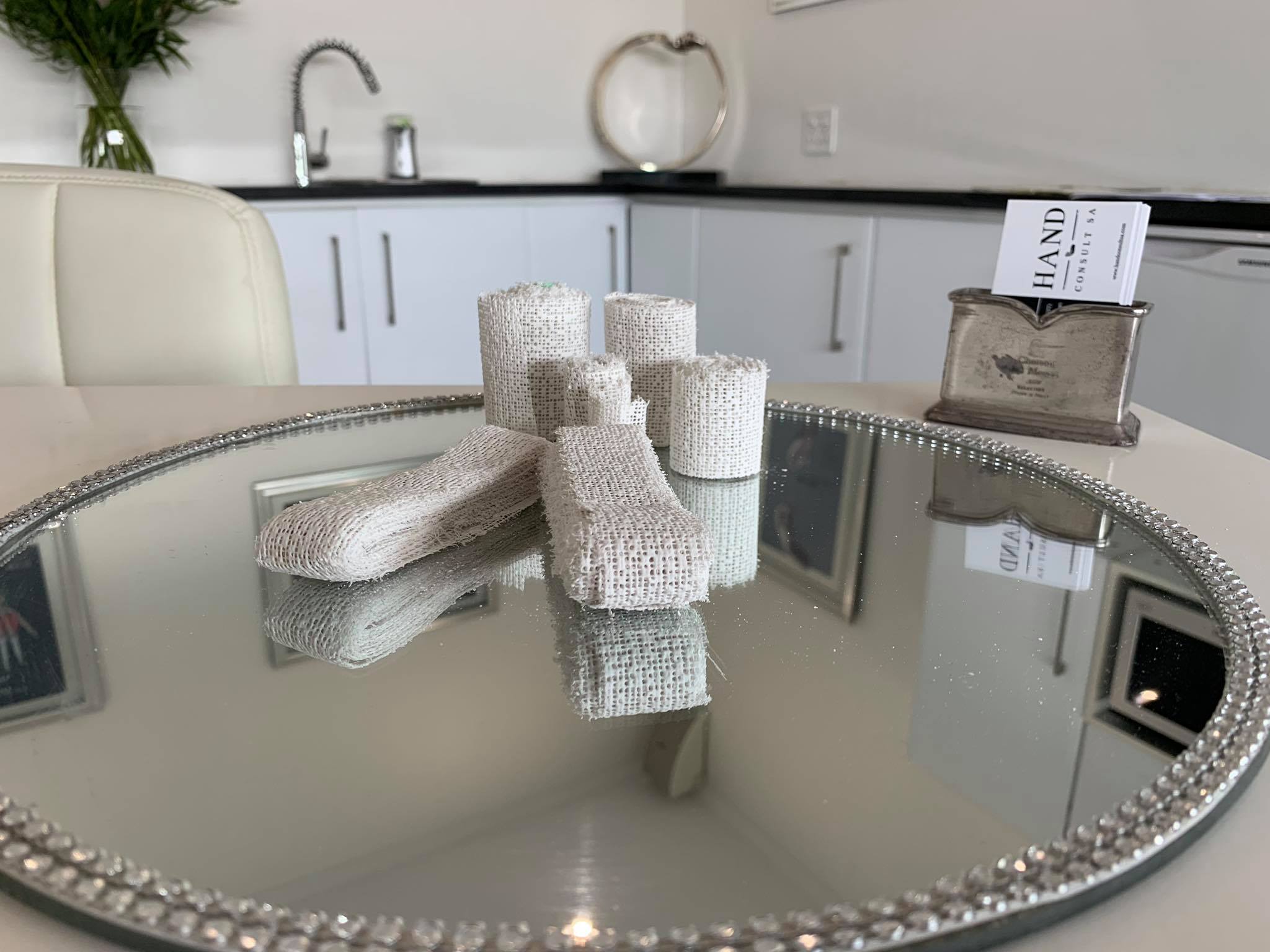
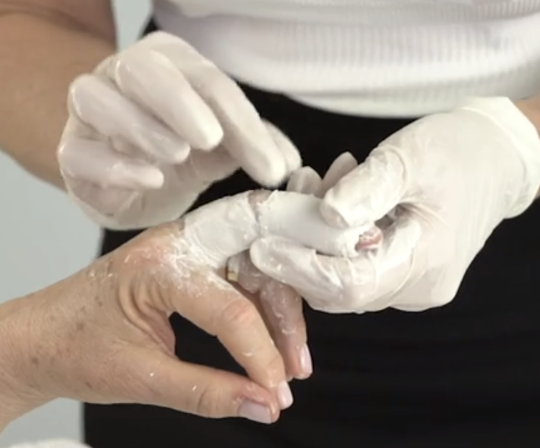
Therapeutic casting is the use of plaster of Paris or other materials to treat joint stiffness, contracture and abnormal movement patterns in the hand, wrist and fingers. Unlike the immobilisation casting used to protect a fracture, therapeutic casting is an active intervention: it restores range of motion, reduces swelling, promotes tissue remodelling and — in some techniques — facilitates motor re-learning through exercise performed inside the cast.
A short history
Therapeutic casting of the hand traces back to the orthopaedic surgeon Paul Brand, who in mid-twentieth-century India developed serial casting to treat contractures in patients with leprosy. Brand established a principle that still guides practice: low-load, prolonged stress is more effective than high-force, short-duration stretching for lasting change in contracted tissue. In 2002, occupational therapist Judy Colditz published the first description of casting motion to mobilise stiffness (CMMS), which broke from tradition by building active motion into the cast rather than relying on static positioning alone.
Serial casting
Serial casting applies a circumferential cast that holds a stiff joint at its maximum comfortable range. The cast is changed every few days, each time repositioning the joint a little further as the tissues elongate. It works through plastic deformation — sustained, low-magnitude tension permanently reorganises the collagen network rather than merely stretching it elastically.
It is most often used for proximal interphalangeal (PIP) joint flexion contractures. Research shows that longer cast-wear intervals (six or more days) tend to outperform shorter ones, because tissue needs sustained positioning to remodel rather than simply rebound.
Casting motion to mobilise stiffness (CMMS)
CMMS, developed by Judy Colditz — a past president of both the American Society of Hand Therapists and the International Federation of Societies for Hand Therapy — takes a different route. A non-removable cast selectively immobilises the proximal joints (typically wrist and knuckles) in a specific therapeutic position, while leaving the distal joints free to move in a chosen direction. The patient performs active flexion within the cast, driving all motion through the unconstrained joints. No passive motion, modalities or manual therapy is applied during the casting phase.
The three principles CMMS integrates
- Tissue remodelling — the cast delivers low-load, prolonged stress to the constrained joints while directing active motion to the free ones.
- Motor cortex repatterning — by blocking compensatory movement at the proximal joints, the cast forces recruitment of underused muscles, driving neuroplastic change toward a more normal flexion pattern.
- Oedema reduction — the circumferential cast provides gentle sustained compression while active motion pumps the lymphatic system.
Cast position is diagnostic, not generic. The cast is designed around the patient's predominant maladaptive movement pattern. Getting this assessment right is the heart of the technique.
Reason through your next stiff-hand case
CMMSPro.AI is an AI clinical mentor that guides you through movement-pattern assessment, cast design and case progression — in 10 languages.
Frequently asked questions
What is therapeutic casting?
The use of plaster of Paris or other casting materials as a treatment to restore range of motion, reduce oedema and remodel tissue in the stiff or contracted hand — unlike immobilisation casting for fractures.
What is the difference between serial casting and CMMS?
Serial casting positions the stiff joint at end range and changes the cast at intervals. CMMS immobilises proximal joints while the patient moves the distal joints actively, addressing both tissue tightness and movement patterns.
Who developed the CMMS technique?
Judy Colditz, an occupational therapist and certified hand therapist, first described CMMS in the literature in 2002.
Key references
- Colditz JC (2002). Plaster of Paris: the forgotten hand splinting material. J Hand Ther 15(2):144–57.
- Midgley R (2010). CMMS to regain digital flexion following Dupuytren's fasciectomy. Hand Therapy 15(2):45–51.
- Midgley R (2016). CMMS technique for rehabilitation after crush and degloving injury. J Hand Ther 29(3):323–33.
- Ugurlu Ü, Özdoğan H (2016). Serial casting for PIP joint flexion contractures. J Hand Ther 29(1):41–50.
This article is educational and does not replace individual clinical assessment. Treatment decisions should be made by a qualified hand therapist or clinician.